 By Easton
What are the 6 action in the legal procedure? – Ever asked yourself exactly how a straightforward concept comes to be a legislation? It’s a remarkable procedure, and recognizing it assists all of us be extra involved residents. This article breaks down the 6 essential action in transforming a proposition right into a legislation. Allow’s dive in!
The legal procedure, while relatively intricate, is inevitably a method for our chosen reps to resolve the demands of individuals. From preliminary intro to last implementation, each action is critical and plays a crucial duty in guaranteeing the regulation shows the will of individuals. Consider it as a thoroughly crafted production line, with each action adding to a reliable and refined end result.
Imagine a proposition, a pointer for a brand-new regulation, jumping around in the halls of federal government. It’s a trip that takes several kinds, however below’s the core six-step procedure:
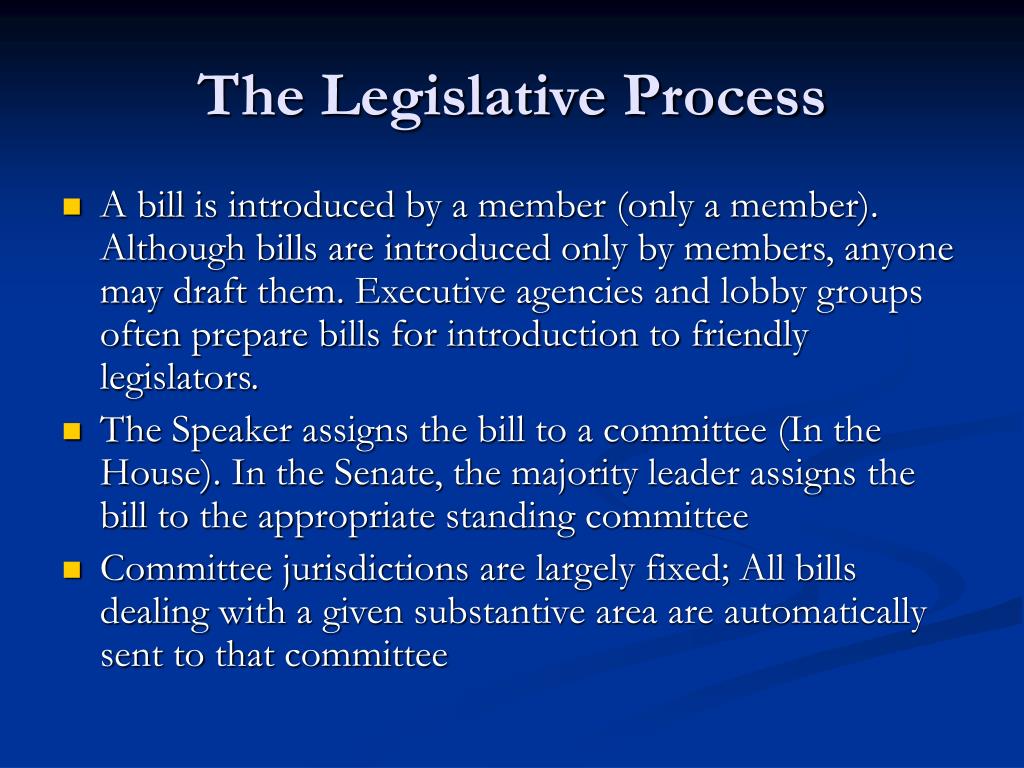
- Introduction: The initial step includes presenting the costs to the ideal legal body (e.g., House of Representatives or Senate). This can be done by any kind of participant of that body. Consider it as placing the concept on the table for conversation.
- Committee Review: Once presented, the costs is sent out to a board of professionals. They inspect the information, hold hearings, and possibly make alterations prior to progressing. This phase is critical for fine-tuning the proposition and guaranteeing it’s well-balanced.
- Floor Debate and Vote: After board evaluation, the costs go back to the complete legal body for a dispute. Participants go over the costs’s advantages, recommend modifications, and inevitably cast a ballot. This is where the general public can commonly comply with the procedure carefully.
- Referral to the Other Chamber: If the costs passes one chamber, it’s after that sent out to the various other (e.g., the Senate to your house, or the other way around). The procedure repeats in the various other chamber, experiencing board evaluation, flooring dispute, and an additional ballot.
- Conference Committee: If the costs passes both chambers however with varying variations, a meeting board is developed to integrate the distinctions. They exercise a concession variation prior to sending it back to both chambers for a last ballot.
- Presidential Action: Finally, the costs mosts likely to the President. The President can either authorize the costs right into regulation, veto it, or select to take no activity. Congress can bypass the veto with a two-thirds ballot in both chambers if banned.
Understanding this procedure equips you to be an extra educated and involved person. It enables you to see exactly how regulations are made and exactly how your voice can influence the future. Watch on these essential phases of regulation to comprehend the ups and downs of the law-making procedure.
 Caleb
Caleb  Amelia